The gold fund to hold charges 0.10%, not 0.40%
SPDR Gold MiniShares charges 0.10% and iShares Gold Trust Micro charges 0.09%, against 0.40% for SPDR Gold Shares, as of Thursday, October 1, 2026.
Key takeaways
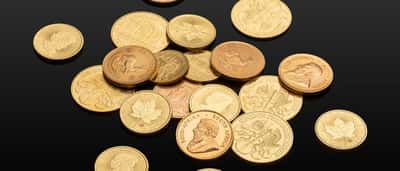
The gold fund to hold, if you want the metal, is SPDR Gold MiniShares, GLDM. It holds gold bars and charges 0.10% a year. The largest fund, SPDR Gold Shares, GLD, charges 0.40%, four times as much, for the same bars.
iShares Gold Trust Micro, IAUM, also holds gold bars, at 0.09%. On $10,000 that is $9 a year, against $10 for the mini shares and $40 for SPDR Gold Shares. We would pay the extra $1.
Both earn an A among the ten funds that hold gold bars. The mini shares score 82 and rank first, the micro shares 78 and second.
The cost scores match, even with that $1 between them. Cost is a third of the grade, and it is the fee alone.
What separates them is a sixth of the grade: how much the fund trades, and how closely the share price tracks the gold. The mini shares score 73 on that, the micro shares 52.
SPDR Gold Shares earns a B and ranks ninth of the ten gold-bar funds. It has the highest fee in the group and the best trading score. You would pay 0.40% only for that trading.
Franklin Templeton, abrdn, GraniteShares and Goldman Sachs also hold gold bars, and they charge 0.15% to 0.18%. The older iShares fund, IAU, charges 0.25%, more than either cheap fund, for the same metal.
From the last close of 2025 through Thursday, October 1, the four funds lost 3.2% to 3.4%. Over the year through that day they gained 7.5% to 7.9%. The mini shares finished first, and SPDR Gold Shares, the 0.40% fund, finished last, 0.4 percentage points apart.
None of these funds pays a dividend. What you earn is the change in the price of the bars, after the fee.
A lower share price is not cheaper gold. The micro shares closed Thursday at $42, the mini shares at $83, and SPDR Gold Shares at $383, and a dollar in each buys the same bars. The lower price is a smaller piece, which helps if you buy whole shares.
SPDR Gold Shares was the first gold ETF in the US, and about nine times as much money trades in it as in the mini shares. For frequent trading, or a very large order, that is what the extra fee buys.
For a US taxpayer, a gain on these bar funds is generally taxed like a gain on the bars, whichever of them you hold. Fidelity says a physically held precious metals fund is treated as a collectible, so the federal tax on a gain kept longer than a year can be as high as 28%, not the 20% rate on most stock gains.
If your rate is already below 28%, you pay your own rate. State Street says the same 28% maximum applies to SPDR Gold Shares and to the mini shares.
A sale within a year is taxed as regular income. Selling an old gold fund in a taxable account, just to buy a cheaper one, can cost more in tax than the fee saves. Add new money to the cheap fund.
If you may want the gold in your hands, VanEck Merk Gold ETF, OUNZ, lets you exchange shares for physical gold. It charges 0.25% and holds $2.7 billion, with about $27 million trading on an average day, less than the four funds above.
The mining companies
VanEck Gold Miners ETF, GDX, does not hold bars. It holds the companies that mine gold, about $26 billion of them, and charges 0.51%. Newmont and Agnico Eagle were each about 11% of the fund on Thursday.
Over the year through Thursday it gained 13.3%, payouts included, against 7.9% for the mini shares. This is a stake in those companies, and their year was stronger than the metal's.
iShares MSCI Global Gold Miners ETF, RING, is the one we would hold. It is the only A among the precious-metals mining funds. That grade weighs the fee more than any other part, and the fee here is 0.39%.
It gained 17.3% over the same year, payouts included. Newmont was 17% of it at the end of September, and the fund holds $2.3 billion.
The VanEck fund earns a B. About $2 billion trades in it on an average day, against about $55 million in the iShares fund, so it is the one to use if you need the busiest market. You pay up to trade, for the same reason you would pay 0.40% for SPDR Gold Shares.
If you want the smaller miners, including silver miners, that is VanEck Junior Gold Miners ETF, GDXJ. It charges 0.52% and holds $8.3 billion, and it gained 15.2% over that year, payouts included.
A fund that pays a monthly check
NEOS Gold High Income ETF, IAUI, aims to pay a high monthly income. On Thursday about 79% of it was a short-term Treasury bill, about 19% was a fund that holds gold bars, and it also held options tied to SPDR Gold Shares. Over the year through Thursday it gained 4.8%, payouts included.
RING gained 17.3%; the income fund 4.8%
It charges 0.79%. On Wednesday, July 22, NEOS estimated that 80% of one payment was a return of capital, your own money paid back to you, not investment income.
If you want the metal and plan to keep it, hold the mini shares at 0.10%.
ETFs in this story
Frequently asked questions
Which gold fund does etf.net prefer for holding the metal?
SPDR Gold MiniShares (GLDM), which holds gold bars, charges 0.10% a year, and ranks first of the ten gold-bar funds with a score of 82.
Why does GLDM rank above IAUM when IAUM is cheaper?
Their cost scores match, and GLDM scores 73 against IAUM's 52 on trading and on how closely its share price tracks gold.
How is a gain on a gold-bar fund taxed in the US?
Fidelity says these funds count as collectibles, so a gain on shares held longer than a year can be taxed federally at up to 28%, and a sale within a year is taxed as regular income.
What does the extra fee on SPDR Gold Shares (GLD) pay for?
Trading: about nine times as much money trades in GLD as in the mini shares, which counts for frequent trading or very large orders.