Novo Nordisk licenses Nanexa's coating in a deal worth up to 1.165 billion euros
On Thursday, September 24, 2026, Novo Nordisk licensed Nanexa's PharmaShell coating for up to five peptide programs, in a deal capped at 1.165 billion euros. In Friday afternoon trading in Stockholm, Nanexa's shares were up 111%.

Key takeaways
The ceiling on that license is worth 13.1 billion Swedish kronor at the European Central Bank's euro rate on Thursday, more than 11 times what Nanexa was worth at Thursday's close. On Morningstar's count of 191 million shares, that close put the company at 1.13 billion kronor. The company ended June with 52.6 million kronor in cash, after an outflow of 20.5 million kronor from April to June.
"With this agreement, Nanexa enters a new era of considerable financial strength," said Göran Ando, the chairman. He said the agreement lets Nanexa expand the coating into other diseases and take its own projects further before partnering.
Nanexa did not say how much arrives at signing. The signing payment and later sums for development and approval are capped together at 615 million euros. Sales milestones can take the total to 1.165 billion euros. Nanexa would also receive a low-single-digit share of global sales, and Novo Nordisk will run the studies and the selling. In December 2025, Moderna paid $3 million at signing for a PharmaShell license that can reach $500 million in milestones.
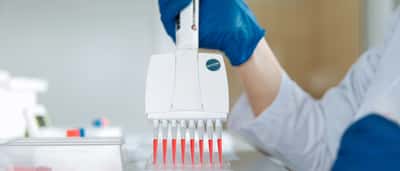
PharmaShell is a very thin coating on each particle of drug, meant to let the medicine out slowly after an injection. The license covers up to five programs, for peptide drugs in obesity, type 2 diabetes and related diseases, and the target is a dose once a month or once a quarter. No peptide was named. David Westberg, Nanexa's chief executive, said he looked forward to working with Novo Nordisk "to successfully develop products with less frequent dosing in obesity and type 2 diabetes."
Last year Nanexa said a Phase I study of NEX-22, its monthly injection of liraglutide, showed controlled release over a month after one shot. In March the company said a quarterly dose of semaglutide, the drug in the weekly injection Wegovy, looked possible from studies in rats and from simulations of people. The license does not approve a medicine.
A search for a monthly dose
Novo Nordisk's own once-monthly candidate was discontinued in 2024. Last year the company lost a bidding contest with Pfizer for Metsera, which was developing a monthly GLP-1, the class of injected drugs used for obesity and diabetes. On September 14, Ascendis Pharma said Novo Nordisk had ended their collaboration, and that the rights to a once-monthly semaglutide return to Ascendis.
In June, Eli Lilly expanded a collaboration with Camurus, another Swedish company, on long-acting injections. Camurus can receive up to $290 million in upfront, development and regulatory payments, plus mid-single-digit royalties. Nanexa's matching cap is 615 million euros, equal to $699 million at Thursday's dollar rate from the same central bank, with royalties in the low single digits.
In December 2022 Novo Nordisk signed an evaluation agreement worth 46.1 million kronor and bought 10 million Nanexa shares for 17.2 million kronor.
On Friday the shares, listed on First North in Stockholm, reached 15.50 kronor, the highest price of the past year and 161% above Thursday's close of 5.93 kronor. By the afternoon they were at 12.54 kronor, up 111%.
Nanexa more than doubled after the Novo Nordisk license
Want more of our stories in Google’s Top Stories? Add etf.net as a preferred source on Google
Frequently asked questions
What did Novo Nordisk license?
PharmaShell, a very thin coating on each drug particle meant to let the medicine out slowly after an injection, for up to five peptide programs.
How much arrives at signing?
Nanexa did not say, and the signing payment plus later development and approval sums are capped together at 615 million euros.
Does the license approve a medicine?
No, and no peptide was named, though the target is a dose once a month or once a quarter.
Who runs the studies and the selling?
Novo Nordisk will, and Nanexa would receive a low-single-digit share of global sales.