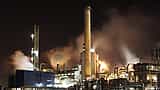
Houthis say they targeted an Aramco facility in Riyadh as AFP reports a refinery fire
Yemen's Houthis said on Saturday, October 3, that they targeted an Aramco facility in Riyadh with missiles and drones, while AFP reported a fire at Aramco's Riyadh refinery, with Brent crude at Friday's close of $102.25.
Key takeaways
Yemen's Houthis said on Saturday that they had targeted an Aramco facility in Riyadh with ballistic missiles and drones. They called it an answer to Saudi attacks on Sanaa and other Yemeni provinces. Saudi strikes were reported in Sanaa the same day.
An AFP journalist reported firefighters putting out a blaze at Aramco's refinery south of the capital, with ambulances and police nearby. A witness told Reuters that smoke and fire were rising in the vicinity of an Aramco facility. As of Saturday evening, Saudi authorities had not confirmed an attack, and Aramco had not commented.
Saudi Arabia and Aramco have not said what started the fire, whether the refinery stopped running, or whether anyone was hurt.
In March 2022, after the Houthis claimed a drone attack on this same refinery, the Saudi Energy Ministry said petroleum supplies were not affected.
In September 2019, Aramco said attacks on Abqaiq and Khurais suspended 5.7 million barrels a day of crude production.
The Iran war began in late February, and Saudi oil sites have been targeted for weeks. On September 19, the Saudi-led coalition said it intercepted a Houthi missile fired at Riyadh.
Last week the Houthis said they attacked Aramco facilities at Yanbu, where Saudi crude can reach the Red Sea without crossing the Strait of Hormuz. Saudi Arabia said it intercepted six ballistic missiles toward Taif and the Yanbu area, and it did not report damage to the facilities.
The East-West pipeline, which carries crude to Yanbu, was shut on September 11 after drone attacks. Saudi Arabia blamed Iraqi militias. The line restarted on September 22, and loadings at the port resumed later in the month.
Aramco says fuel from its own refineries in the kingdom is mostly sold at home. A stoppage in Riyadh would be a problem for fuel inside the kingdom, but only if the plant has stopped.
Fuel leaving the Gulf is a separate shortage. In the week ending Monday, September 28, Kpler, which tracks tankers, put crude through the Strait of Hormuz at 13.5 million barrels a day, matching the pace before the war. Refined products through the strait, on that same seven-day average, were at 677,000 barrels a day, against 3.6 million before the war.
Group of Seven leaders pledged on Friday to release 100 million barrels over four months, with a substantial diesel release in the first 20 days. The pledge followed high fuel prices in the war, and it came before Saturday's reports.
Brent crude settled Friday at $102.25 a barrel, and West Texas Intermediate at $91.11. There is no newer price than Friday's.
U.S. crude futures are scheduled to reopen Sunday at 6 p.m. Eastern. The fund that holds Brent crude futures, BNO, and the fund that holds near-term futures on U.S. crude, USO, do not trade until Monday.
Whether the refinery is still making fuel is for Saudi Arabia or Aramco to say.
ETFs in this story
Frequently asked questions
Have Saudi authorities confirmed the Houthi claim?
As of Saturday evening, Saudi authorities had not confirmed an attack, and Aramco had not commented.
Did the Riyadh refinery stop running, and was anyone hurt?
Saudi Arabia and Aramco have not said what started the fire, whether the refinery stopped running, or whether anyone was hurt.
What is the latest oil price?
Brent crude settled Friday at $102.25 a barrel, and there is no newer price than Friday's.
When do the oil funds next trade?
The fund that holds Brent crude futures, BNO, and the fund that holds near-term futures on U.S. crude, USO, do not trade until Monday.