JEPQ fell almost as far as the Nasdaq-100
Most of the monthly cash is option premium, so a Nasdaq-100 loss is reduced rather than stopped, and a rise is shared.

Key takeaways
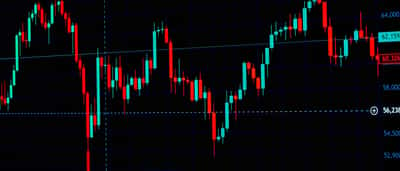
At 12:10 p.m. Eastern time Thursday, Nov. 5, J.P. Morgan's JPMorgan Nasdaq Equity Premium Income ETF JEPQ traded at $54.29, down 4.9% from Wednesday's close of $57.11. The Nasdaq-100 Index was down 5.2% from Wednesday's close.
The monthly cash did not stop the drop. The fund still holds the stocks, and that cash is mostly a premium from calls sold inside notes linked to the Nasdaq-100.
The 10 largest stocks were all lower Thursday
- NVDA +7.1% −7.66%
- AAPL +6.8% −1.35%
- MSFT +5.6% −2.73%
- MU +4.2% −12.92%
- GOOG +4.1% −0.91%
- AMZN +4.0% −1.52%
- AMD +3.3% −14.65%
- META +2.7% −3.70%
- TSLA +2.4% −11.23%
- WMT +2.0% −0.37%
Where the monthly cash comes from
A summary prospectus dated Nov. 1, 2026 says the fund seeks current income while maintaining prospects for capital appreciation. The portfolio is actively managed and made up in significant part of Nasdaq-100 stocks, and it may hold stocks that are not in the index. Wednesday's holdings showed Apple, Nvidia and Microsoft at 7.1%, 6.8% and 5.9% of net assets.
The cash comes from a second holding. The fund may invest up to 20% of net assets in equity-linked notes, bought from the firms that issue them, including banks, broker-dealers or their affiliates, and the notes are not traded on an exchange.
The prospectus says each note is built to pay a return linked to the instruments inside it. Those instruments combine the Nasdaq-100, or a fund that tracks the index, with a call that has already been sold.
Selling that call brings a premium, cash paid for the right to gains above a set price. The prospectus says that when the fund buys the note, it is entitled to that premium, so the notes provide a recurring cash flow, and that the cash is an important source of the fund's return. That is how a note in the portfolio becomes part of the monthly payment.
J.P. Morgan's Sept. 30, 2026, materials say the income is that premium together with dividends on the stocks. On a rolling 12-month basis since inception, from May 4, 2022, through Sept. 30, 2026, returns from the options premium averaged 10.35%, against 0.60% from dividends, before fees. The payment on Wednesday, Nov. 4, was $0.539 a share.
The prospectus says the fund seeks, under normal circumstances, monthly distributions at a relatively stable level. It also says the fund does not guarantee that distributions will always be paid, or that they will be paid at a relatively stable level.
J.P. Morgan says higher-volatility markets have allowed for more potential premium, and quieter markets may deliver less.
At June 30, 2026, the notes were 16.3% of net assets, the annual report shows. Issuers on that schedule included BNP Paribas, Toronto-Dominion Bank and Goldman Sachs International.
Wednesday's holdings still listed the notes. The prospectus says an issuer can fail to pay or default completely, and that the notes can be difficult to sell and to value.
What the owner keeps when the Nasdaq-100 moves
The calls that produce the premium also limit the gain. The prospectus says the fund receives the premium but limits its opportunity to profit from a rise in the index, or in a fund that tracks the index, to the price at which the call can be exercised, plus the premium. The note keeps the rise up to that price, plus the premium, and not the gain past that price.
J.P. Morgan describes the calls as one-month contracts set above the index, and says they are designed to leave investors a portion of the upside.
For the 12 months ended June 30, 2026, the annual report put the fund's return at 25.75% and the Nasdaq-100's at 34.38%. It said the fund captured 75% of the index's positive return with 51% of its volatility.
A down day follows the same terms. The prospectus says the income from the notes would reduce potential losses in the stock portfolio, and that if the index, or a fund that tracks it, falls by more than the premium received, there is a loss on the position.
Thursday the shares fell 4.9%, most of the index's 5.2% drop. If the fund succeeds in lowering volatility, the prospectus says, the portfolio will fluctuate less than the index over a full market cycle, typically three to five years. One afternoon is not that test.
Want more of our stories in Google’s Top Stories? Add etf.net as a preferred source on Google